Prefabricated Pipeline
What are prefabricated pipelines?
Prefabricated Pipeline refer to pipelines manufactured in a specialized prefabrication plant according to ISO single-line diagrams. The entire process, including material preparation, cutting, beveling, assembly, welding, flaw detection, and marking, is completed before the finished pipelines are transported to the project site. Ideally, the pipelines only require hoisting and tightening flange bolts upon arrival. However, due to limitations imposed by the construction site's structural framework, equipment installation errors, and transportation conditions, complete factory prefabrication of pipelines is generally not recommended. To facilitate on-site installation and adjustments and reduce rework, the current standard prefabrication rate is approximately 70%, with the prefabrication rate for small-diameter pipelines potentially reaching 80%–90%.
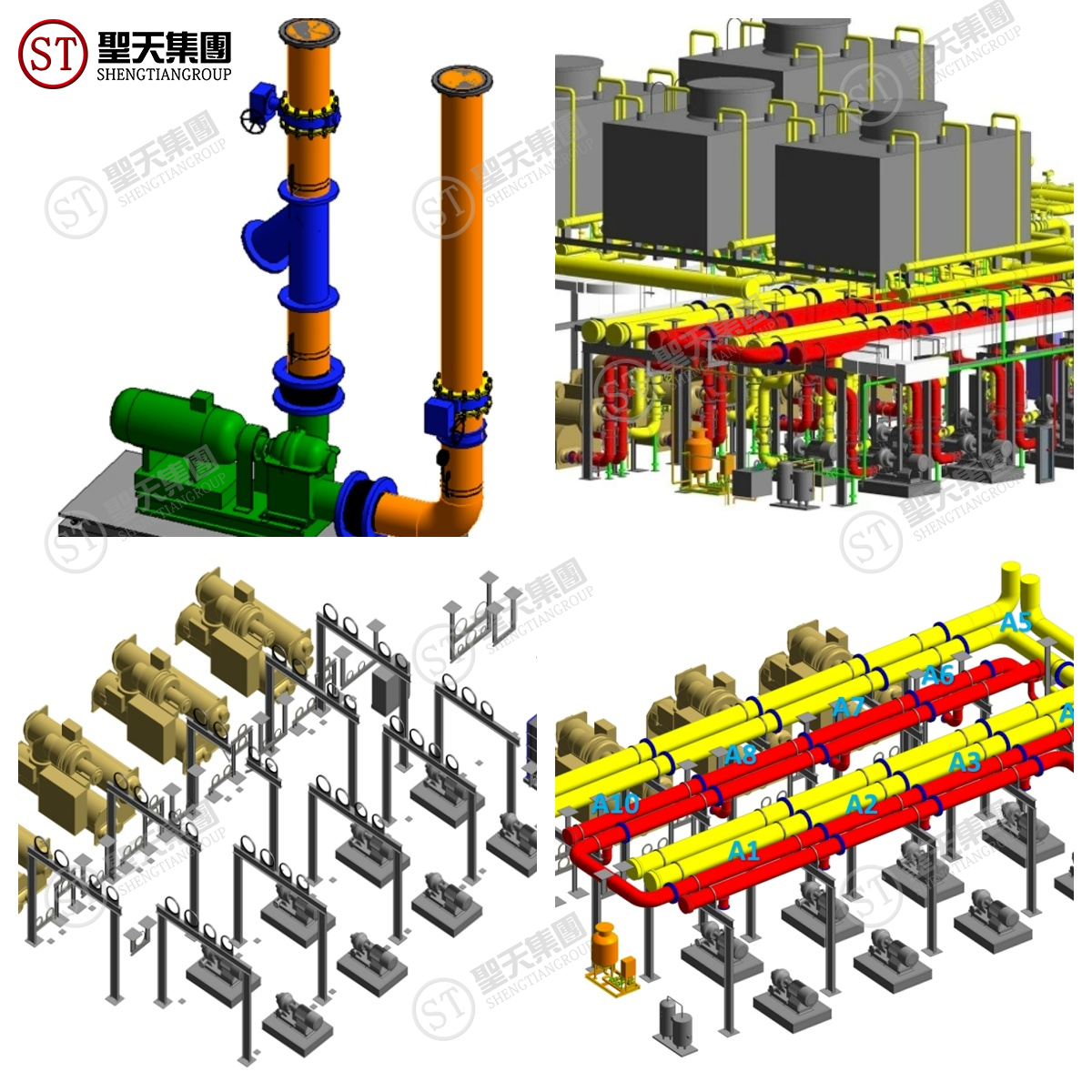 Prefabricated Pipeline Process: I. Preparation Stage
 1) Establish and improve rules, management systems, quality assurance systems, and job responsibilities for relevant personnel.
2) Complete construction site planning.
3) Technical preparation work. This includes: drawing review, secondary design of pipe sections, budget preparation, database establishment, preparation of work instructions, preparation of construction plans, completion of welding procedure qualification, personnel assessment, equipment inspection, etc.
4) Construction preparation work. This includes: determining the number of various construction personnel and the quantity of welding and other equipment based on the construction period requirements. Planning the construction site.
II. Construction Stage 1) Construction material management.
2) Construction process management. This includes: management of material preparation, assembly, welding, and finished product sections.
III. Inspection Stage After all precast work is completed according to the construction drawings, the pipeline must undergo inspection and final inspection. All products must pass inspection, a certificate of conformity must be issued, and the products must be packaged before leaving the factory. The quality inspection of prefabricated pipeline products consists of two stages. The first stage is process quality inspection, which involves inspecting the quality of each step in the pipeline prefabrication process, such as rust removal, corrosion prevention, material cutting, processing, assembly, and welding. The second stage is final quality inspection, which involves checking and verifying the pipeline itself, as well as all records and conformity reports.
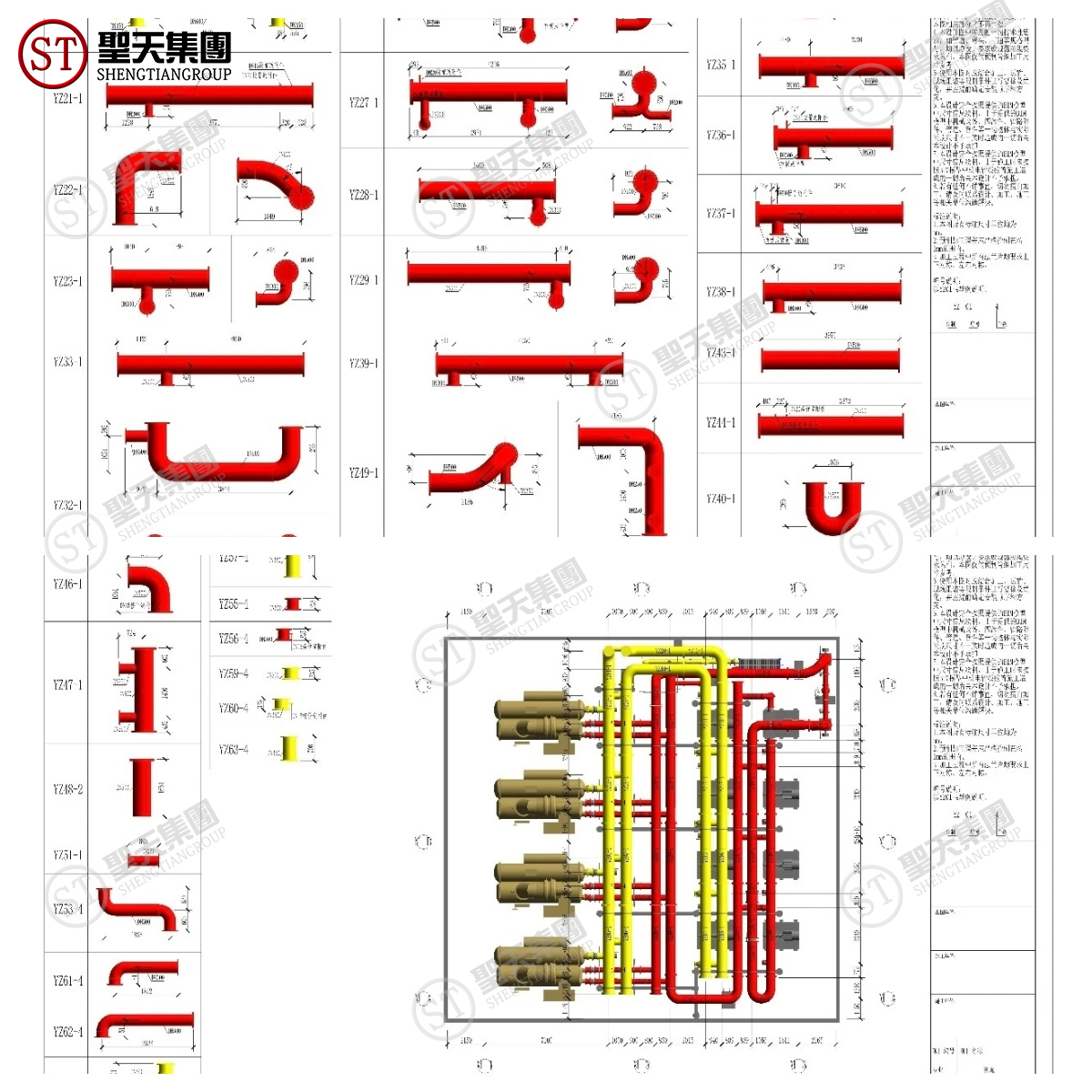
Advantages of Prefabricated Pipeline: 1) Compared to on-site construction, prefabrication in our plant makes quality control much easier.
2) Automated welding largely replaces manual welding, resulting in lower overall construction costs compared to on-site construction.
3) Unaffected by weather, specialized cutting and beveling tools ensure high production efficiency, controllable project timeline, and fast delivery.
4) The plant has an independent testing facility, facilitating convenient non-destructive testing such as X-ray, ultrasonic, and hydrostatic testing.
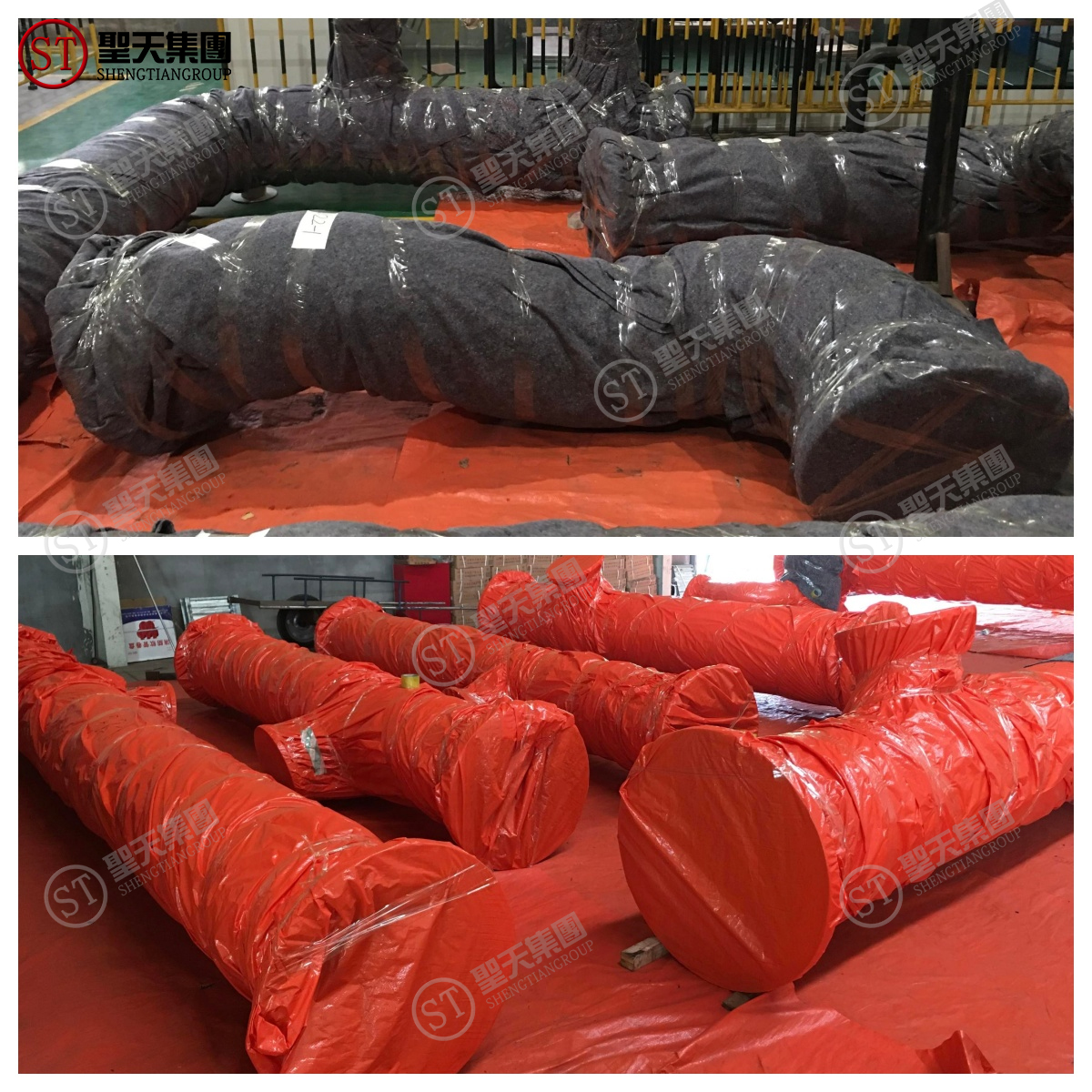
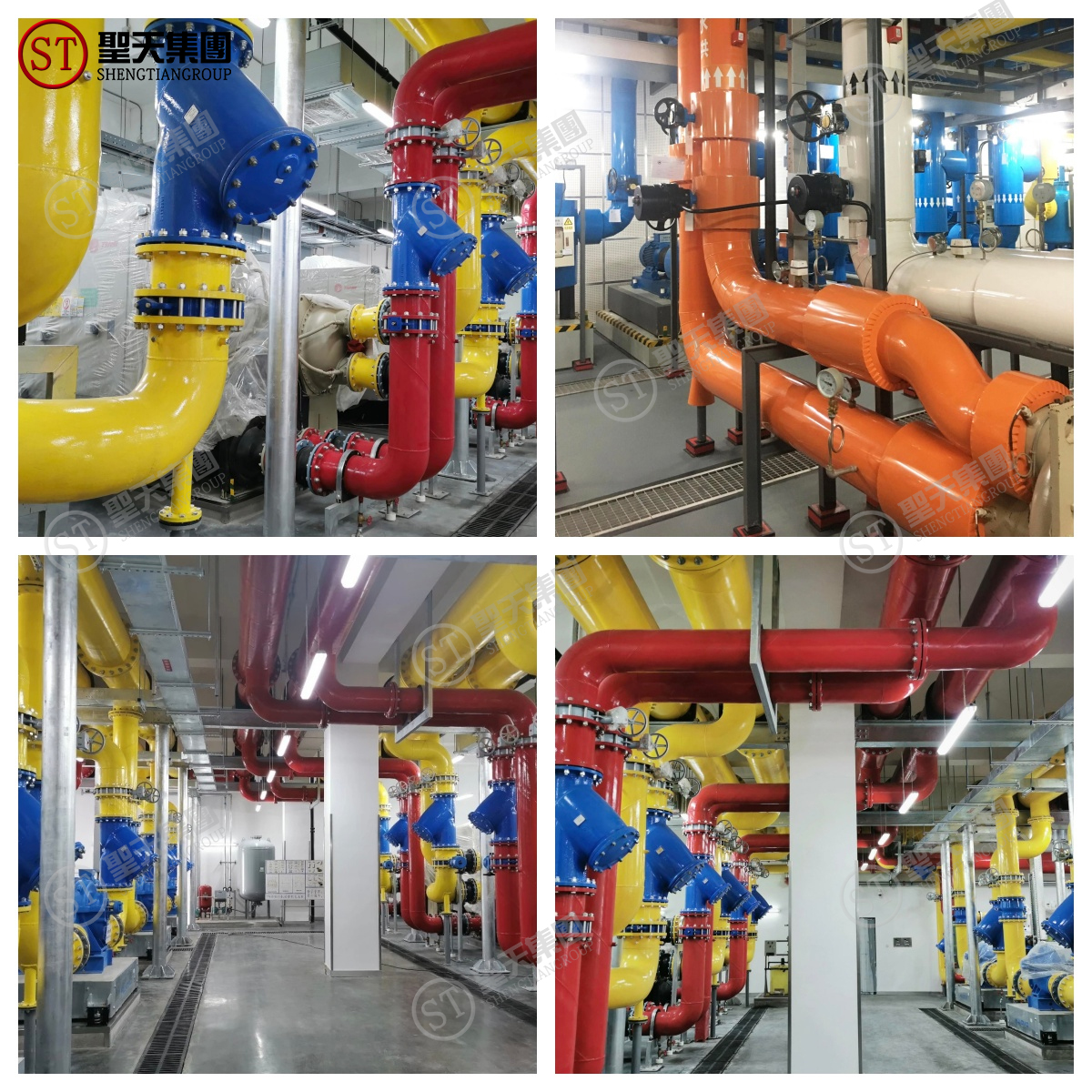
Since its establishment, Shengtian Group has assisted many large-scale international projects in the design and production of prefabricated pipes, earning consistent praise from clients. If you also have prefabricated pipe projects, please send your drawings to our email address: stcompany@stpipefitting.cn


